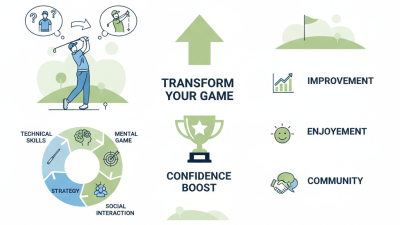
Choosing the right golf class can change how quickly your swing improves, how confidently you practice, and how much you enjoy the course. Skill level matters, but so do age, learning style, fitness, schedule, and goals. A beginner may need patient guidance on grip and balance. An experienced player may need launch-monitor feedback, course strategy, or mental coaching.
Golf participation continues to attract new players. The National Golf Foundation reported that 47.2 million Americans played golf on-course or off-course in 2023. Its report also recorded 28.1 million on-course golfers. Globally, The R&A’s Golf Around the World report examines participation across 206 countries, showing the sport’s broad and growing reach. These figures suggest more demand for structured instruction, though numbers cannot guarantee a perfect lesson.
Legendary instructor Harvey Penick offered a simple principle: “Take dead aim.” His advice still fits modern golf class choices. Clear targets matter, whether you are practicing a seven-iron indoors or preparing for your first tournament. This guide compares seven options for every skill level, including beginner group lessons, private coaching, junior programs, women-focused clinics, online instruction, short-game workshops, and advanced performance sessions.
Real improvement is rarely dramatic. One corrected grip may feel awkward for weeks. A new swing path may produce worse shots before better ones appear. That uncomfortable stage deserves attention, not false promises. Use this guide to match instruction with your current needs, available time, and willingness to practice between lessons.

Choosing a golf class starts with your learning goal, not your handicap. The National Golf Foundation reported 41.1 million American on-course golfers in 2023. That broad audience needs different teaching formats. New players often benefit from beginner group classes, where instructors explain grip, posture, safety, and basic club selection. Private lessons suit golfers who need focused feedback on one recurring fault. They are more expensive, but progress can feel clearer.
Intermediate players may prefer short-game clinics, swing workshops, or supervised on-course lessons. A coach can observe decisions beside the green, not only movements on a practice mat. Advanced golfers often choose performance classes using launch data, shot patterns, and course strategy. Junior programs add age-appropriate games and shorter practice blocks. Women’s introductory clinics can also create a more comfortable entry point for first-time players. The seventh option is an online video class, useful for review, but weaker without live correction.
The R&A’s Golf Around the World 2023 report counted more than 66 million golfers across 206 countries and territories. Participation is diverse, so one teaching model cannot fit everyone. Ask whether your goal is confidence, lower scores, tournament preparation, or social play. Then match the class length and coaching style to that goal. Progress is rarely tidy. I would question any course promising instant consistency. A strong instructor explains why a change matters, measures improvement, and adjusts when your body or schedule disagrees. Practice notes, simple drills, and honest feedback usually matter more than impressive terminology.

Beginner golf classes should make the first swing feel manageable, not intimidating. A qualified instructor usually starts with grip, posture, alignment, and a balanced finish. These basics shape every later shot. In a small group class, learners can practice together and notice common mistakes. Private lessons offer more correction, especially when a slice or tense grip appears repeatedly. The best choice depends on comfort, budget, and preferred feedback.
Look for classes that use short practice blocks instead of long technical lectures. A useful session might begin with ten gentle chip shots, followed by half-swings and simple full swings. The instructor should explain why the ball curves, not only say what to change. Range lessons can build contact, while on-course beginner sessions teach pace, safety, club selection, and basic etiquette. Indoor simulator classes may help when weather interrupts practice, though screen feedback cannot replace every outdoor lie.
Confidence grows through repeatable tasks. Try aiming at a wide target, holding the finish for two seconds, and recording one observation after each set. Progress may feel uneven. I once overfocused on distance and ignored balance; my harder swings became less reliable. That mistake remains useful because beginners often chase power too early. Ask how progress is measured, whether equipment is available, and how missed sessions are handled. A patient teacher welcomes questions and adjusts drills when a learner feels rushed. Small wins count.
Beginner golf classes focus on the fundamentals that build confidence before players progress to short-game practice, course management, and advanced scoring skills.
The comparison uses a practical seven-skill foundation: grip, stance, alignment, ball position, putting, chipping, and full-swing control. Beginner programs typically emphasize the first four skills, while advanced classes combine all seven with course strategy and performance training.
Intermediate golf classes are designed for players who can make solid contact but struggle with repeatability. At this level, technique needs structure, not dramatic changes. A qualified coach can assess your grip, alignment, posture, and swing sequence through observation and slow-motion video. You may discover that a small setup error causes several missed shots. That finding can feel frustrating. It is also useful.
Lessons often include drills for controlling clubface direction, swing tempo, and contact quality. Coaches may track launch angle, carry distance, and shot dispersion during practice. These measurements provide clearer feedback than distance alone. A reliable class should connect every drill to a real course situation. For example, you might practice a seven-iron from uneven ground, then choose a safer target under pressure. Short practice games can improve pitching, bunker play, and putting distance control.
Course-management skills deserve equal attention. Intermediate players often lose strokes through rushed decisions, not poor swings. A coach can teach club selection, pre-shot routines, recovery shots, and strategy around hazards. During an on-course session, you may learn to aim away from trouble and accept a longer approach. I still make imperfect decisions after good practice. That is part of the learning process. The best classes encourage honest reflection, measurable practice goals, and gradual progress rather than quick promises.
Advanced golf training should connect technique with performance under pressure. Seven strong class options include swing mechanics, short-game control, course strategy, mental skills, strength training, video analysis, and competitive simulation. Each class serves a different weakness. A qualified instructor should assess ball flight, contact quality, mobility, and scoring patterns before recommending a program.
Swing sessions can refine club delivery, face control, and repeatable speed. Short-game classes should include uneven lies, tight turf, and changing green speeds. Strategy training teaches players to choose safer targets and calculate risk around hazards. On-course lessons add practical value because decisions often change after one poor recovery shot. Detailed performance records make progress more reliable than memory.
Pressure changes everything. Practice it deliberately. Competitive simulations can include limited pre-shot routines, strict scoring, and uncomfortable lies. Mental training may use breathing control and shot-by-shot commitment. Fitness work should improve balance, rotation, and endurance without harming swing rhythm. I have seen golfers chase distance while losing accuracy. That trade-off is not always worth it. A better plan reviews dispersion, fatigue, and decision quality after each session. Some drills will fail. That failure can reveal whether the problem is technical, strategic, or simply poor concentration.
| Class Option | Recommended Skill Level | Primary Training Focus | Typical Format | Suggested Duration | Useful Performance Measures | Recommended Frequency |
|---|---|---|---|---|---|---|
| 1. Golf Fundamentals | Beginner; no established handicap | Grip, posture, alignment, balance, basic full swing, putting setup, and golf safety | Small-group instruction with guided practice | 60–90 minutes per session | Consistent setup routine, centered contact, start-line control, and basic rules knowledge | 1–2 sessions weekly for 6–8 weeks |
| 2. On-Course Development | Beginner to high-handicap golfer | Course etiquette, club selection, pre-shot routine, pace of play, and basic scoring decisions | Playing lesson over 9 or 18 holes | 2–4 hours, depending on holes played | Penalty strokes, number of three-putts, fairway decisions, and average score | Every 2–4 weeks during the playing season |
| 3. Intermediate Scoring Skills | Developing golfer; approximately 18–30 handicap | Distance control, approach-shot consistency, lag putting, bunker basics, and avoiding costly errors | Technical lesson followed by structured drills | 60–90 minutes per session | Greens hit, proximity to the hole, three-putt rate, penalty count, and scoring average | 1 session weekly plus 2 independent practice sessions |
| 4. Short-Game and Putting Performance | Intermediate to advanced golfer; approximately 5–25 handicap | Chipping, pitching, bunker shots, wedges inside 100 yards, green reading, and distance control | Specialized short-game clinic and skills testing | 90–120 minutes per session | Up-and-down percentage, average first-putt distance, three-putts, and wedge proximity | 2 focused sessions weekly, with short practice blocks |
| 5. Swing Mechanics and Ball Flight | Intermediate to advanced golfer; approximately 5–20 handicap | Clubface control, swing path, low-point control, contact quality, launch conditions, and shot shaping | Individual technical coaching with launch-monitor feedback | 45–60 minutes per session | Ball speed, launch angle, carry distance, dispersion, smash factor, and strike location | Every 2–3 weeks with monitored practice between lessons |
| 6. Course Strategy and Competitive Preparation | Advanced golfer; approximately 0–10 handicap | Course management, tee-shot planning, risk-reward decisions, yardage planning, routines, and tournament preparation | On-course strategy session with performance review | 9–18 holes plus 30–60 minutes of analysis | Penalty avoidance, approach dispersion, decision quality, scoring by hole type, and strokes gained trends | Monthly, increasing before scheduled competitions |
| 7. Elite Performance and Tournament Training | Low-handicap, competitive, collegiate, or professional-level player | Advanced shot shaping, pressure performance, strength and mobility, practice design, recovery, and tournament planning | Individual performance program with technical, physical, and mental training | 60–120 minutes per training block | Strokes gained, scoring average, proximity by distance, dispersion under pressure, fitness tests, and tournament results | 3–6 structured sessions weekly, adjusted for competition schedule |
Note: Handicap ranges, session lengths, and practice frequencies are typical planning guidelines. Actual requirements vary according to experience, physical condition, goals, course difficulty, and available practice time.
Choosing the right golf class depends on your experience, goals, schedule, and learning habits. Private coaching offers precise feedback on grip, posture, and swing path. It suits beginners who want personal guidance, but costs more than group instruction. Group beginner classes create a relaxed setting and encourage practice partners. Progress may feel slower, though.
Intermediate technique classes focus on consistency, distance control, and course strategy. They work well for players who already understand basic rules and swing mechanics. Advanced performance sessions examine launch data, shot patterns, and pressure management. These classes demand honest self-assessment. Junior classes use shorter drills and simpler explanations, while women-focused classes may provide a comfortable community setting. An online class offers flexible video lessons, but feedback can miss small movement errors. An on-course playing lesson shows how decisions change near hazards, uneven lies, and fast greens.
Tips: Watch one full class before booking. Ask how instructors measure progress. Check whether practice time is included. Bring your own clubs when possible. Keep notes after every session. Small details matter. I once underestimated the value of course management and practiced swing speed too heavily. That choice improved distance, but not my scores. A trial lesson can reveal whether the instructor explains clearly, corrects respectfully, and adapts drills to your actual weaknesses.
© 2022-2025 Pelican Lakes Resort & Golf, All rights reserved | Privacy Policy
BROUGHT TO YOU BY THE WATER VALLEY COMPANY