
Choosing the right Strength Equipment can shape how safely and effectively a gym serves its members. A crowded room does not guarantee better training. The details matter: stable frames, smooth cable travel, comfortable benches, and clear adjustment points.
This guide examines the top 10 Strength Equipment options used in commercial gyms, private studios, and serious home facilities. It considers practical performance, durability, exercise variety, maintenance, and user safety. Power racks support squats, presses, and pull-ups. Adjustable benches improve training angles. Cable machines add controlled resistance for beginners and experienced lifters.
Real gym experience also reveals a less exciting truth. Equipment quality can vary between brands and models. A strong-looking frame may still have poor padding or awkward settings. A compact machine may save space but limit movement. These weaknesses deserve attention.
Member needs should guide every purchase. A rehabilitation-focused facility may value precise cable resistance and easy access. A performance gym may prioritize heavy racks, Olympic platforms, and durable storage. Reliable manufacturers publish weight limits, dimensions, warranty terms, and maintenance guidance. Those details help owners make informed decisions instead of trusting appearance alone.
Safety comes before impressive specifications. Floors should remain clear. Cables need regular inspection. Benches must lock securely. Staff should explain correct adjustments and loading techniques. Even experienced users make mistakes.
This overview offers a practical comparison, not a universal formula. Budget, floor space, training goals, and member experience will influence the final choice. The best gym setup is rarely the most expensive one. It is the one that performs consistently, supports varied training, and remains dependable over time.
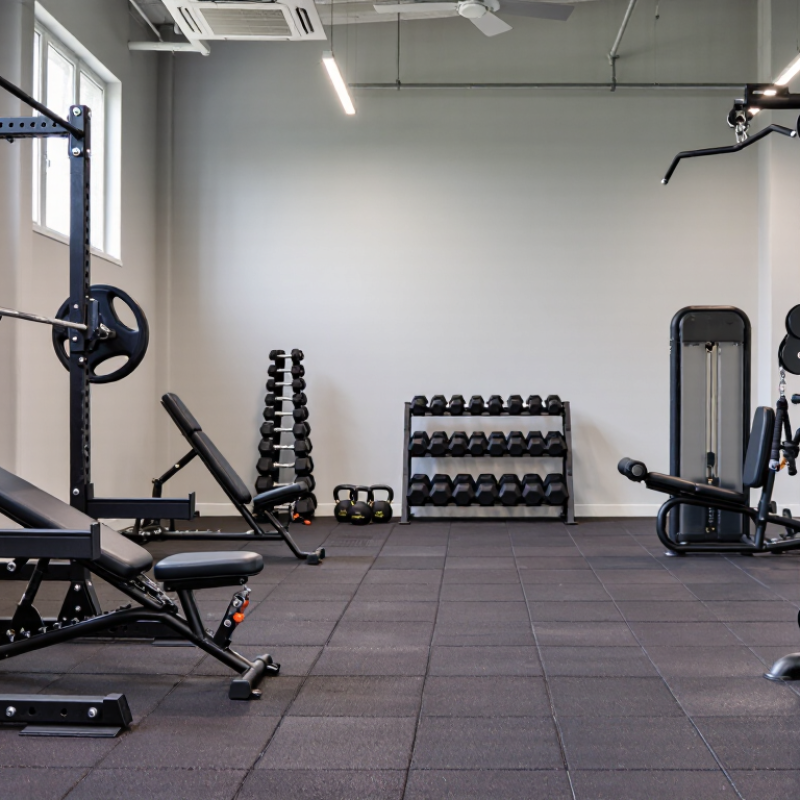
Strength equipment is any tool that creates external resistance and supports progressive overload. Its purpose is simple: make muscles work harder than daily movement requires. A serious gym usually needs ten core options: a power rack, Olympic barbell, weight plates, dumbbells, adjustable bench, cable station, selectorized machine, Smith machine, kettlebells, and a landmine attachment. Together, they support squats, presses, pulls, hinges, carries, and controlled isolation work.
Good equipment must provide stable loading, clear adjustments, safe movement paths, and measurable progress. A barbell suits heavy compound lifts. Dumbbells expose strength differences between sides. Cables offer smooth resistance from several angles. Machines can help beginners train with less balance demand. The choice depends on users, floor space, coaching quality, and maintenance discipline. More equipment does not automatically mean better training.
The American College of Sports Medicine’s 2025 Worldwide Survey ranked traditional strength training fifth among global fitness trends. That result reflects growing demand for practical resistance training, not merely larger gym floors. World Health Organization guidelines also recommend muscle-strengthening activities on at least two days weekly. In practice, a strong facility should place racks and benches where coaches can observe technique. Keep plates organized. Inspect cables often. Small failures matter. No setup is perfect. Even experienced staff may overvalue heavy equipment and undervalue instruction, spacing, and user confidence. Strength equipment defines a gym only when it turns resistance into safe, repeatable progress.

Choosing the top ten strength equipment pieces depends on the trainee’s goal, not popularity. For general strength, a power rack, Olympic barbell, weight plates, and adjustable bench create a reliable foundation. Dumbbells improve balance and unilateral control. Cable machines offer smooth resistance through changing angles. A leg press supports focused lower-body work. Pull-up stations develop back and grip strength. Kettlebells encourage athletic movement. Functional trainers add variety when space allows.
Evaluate each tool through four practical questions:
I have seen impressive machines remain unused because their settings felt confusing. That matters. A strong program needs equipment that members can approach confidently, even during busy hours. Check frame stability, handle comfort, weight increments, range of motion, and access for different body sizes. Equipment should support technique, not hide poor technique.
Tips: Match equipment to measurable outcomes. Choose racks and barbells for progressive loading, cables for controlled hypertrophy, and kettlebells for conditioning.
Test the equipment with several users before purchasing. Listen for unusual movement or loose hardware. Small faults become expensive distractions. Leave clear space around every station, and review safety procedures regularly. Some choices may still be imperfect, but honest feedback improves the next decision.
Modern gyms need strength equipment that supports varied bodies, training goals, and skill levels. In my experience, the strongest layouts balance free movement with guided resistance.
The top ten categories include power racks, squat stands, adjustable benches, free weights, cable machines, plate-loaded machines, selectorized machines, functional trainers, specialty bars, and lifting platforms.
Power racks, squat stands, and adjustable benches
Power racks provide a stable frame for squats, presses, and pull-ups. Squat stands save space but require better control. Adjustable benches support pressing angles and safer exercise setup.
Free weights and cable machines
Free weights, including dumbbells, kettlebells, and weight plates, develop coordination through natural movement. Cable machines create smooth resistance for rows, presses, and rotational exercises. They also suit rehabilitation-focused sessions.
Plate-loaded machines, selectorized machines, and functional trainers
Plate-loaded machines offer heavy training with simple adjustments. Selectorized machines help beginners change resistance quickly, especially during busy hours. Functional trainers add dual cable movement and practical exercise options.
Specialty bars
Specialty bars can reduce joint stress or change lifting demands, although they need careful instruction.
Lifting platforms
Lifting platforms protect flooring and improve stability during heavy pulls.
Small details matter.
Clear spacing, secure catches, and visible weight markings reduce avoidable mistakes. I have seen gyms buy impressive machines but neglect traffic flow. That choice creates frustration. This category list is useful, but not perfect; local members may need more benches, lighter weights, or accessible equipment.
A strong gym needs equipment that serves clear training goals. The power rack supports squats, presses, and controlled pull-ups. It mainly trains the quadriceps, glutes, chest, shoulders, and upper back. A barbell allows heavy squats, deadlifts, and presses. Weight plates make gradual loading possible. Dumbbells improve balance while targeting the chest, arms, shoulders, and smaller stabilizing muscles. An adjustable bench changes pressing angles and supports rows. That small angle change can alter muscle emphasis.
The cable crossover keeps tension steady through chest flyes, triceps pushdowns, and face pulls. The lat pulldown develops the latissimus dorsi and biceps with adjustable resistance. A seated row strengthens the mid-back and rear shoulders. The leg press trains the quadriceps, hamstrings, and glutes with strong back support. Kettlebells add practical movements, including swings, goblet squats, and carries. These exercises challenge the hips, core, grip, and shoulders. No setup is perfect. In practice, beginners sometimes lift too heavily and lose useful movement quality.
Tips: Begin with a load that allows controlled repetitions. Keep your feet stable and your spine neutral. Record sets, repetitions, and discomfort levels. Progress slowly, especially after a break. A coach can check technique, but personal feedback still matters. Stop when sharp pain appears. Some exercises may feel awkward at first. That is useful information, not failure. Adjust the bench, grip, stance, or range of motion before adding weight.
A practical strength area usually begins with a power rack, adjustable bench, barbell, and weight plates. Add dumbbells, a cable machine, leg press, pull-up and dip station, kettlebells, and a landmine attachment. Together, these ten tools support pressing, pulling, squatting, hinging, and controlled accessory work.
Safety depends on more than equipment quality. The rack needs level flooring, secure safety arms, and enough clearance for the bar. Leave walking space around benches and cable paths. Store plates low to reduce lifting strain. Dumbbell racks should not block emergency exits or busy walkways. I always inspect welds, bolts, cables, pins, and bench locks before opening a training area.
A compact gym may need adjustable benches and wall-mounted storage. A larger facility can separate heavy lifting from cable exercises. Keep rubber flooring under racks and lifting platforms to reduce noise and protect the floor. Maintenance should follow a written schedule, not memory. Wipe contact surfaces daily, lubricate moving joints when required, and replace damaged cables promptly. I have seen attractive layouts fail because users could not move safely between stations. Recheck the plan with real traffic, loaded bars, and beginners in mind. A simple setup may still need revision.
© 2022-2025 Pelican Lakes Resort & Golf, All rights reserved | Privacy Policy
BROUGHT TO YOU BY THE WATER VALLEY COMPANY