Top 10 Golf Carts What Should You Know Before Buying?
Buying one of the top 10 golf carts is not simply a matter of choosing the brightest paint or the fastest motor. A cart may look perfect under showroom lights, yet struggle on a steep driveway or uneven grass. The better question is practical: where will it operate, who will ride in it, and how often will it need charging?
During a hands-on inspection, check the battery date, tire wear, steering response, brake pedal, and frame condition. Listen for grinding sounds. They matter. Electric models usually offer quieter operation and simpler daily use. Gas models may suit longer routes or buyers without convenient charging access. Neither choice is automatically better. Your property, budget, climate, and maintenance habits decide that.
Golf-cart industry specialist Mark Wagner says, “The right golf cart begins with the right questions.” That advice deserves attention. A two-seat cart may feel economical until a family needs four seats, storage, and stronger suspension. Used golf carts also require caution. A fresh-looking body can hide aging batteries, loose wiring, or worn bushings. I have seen buyers focus on accessories and overlook basic mechanical condition. That is an easy mistake.
This guide compares ten leading options by range, comfort, durability, safety features, power, and ownership cost. It also considers real details, such as hill performance and turning space in a narrow garage. Some rankings will remain debatable. That is honest. The best golf carts are not identical, and the most expensive model may still be wrong for your routine.
Golf Cart Types and Their Main Uses
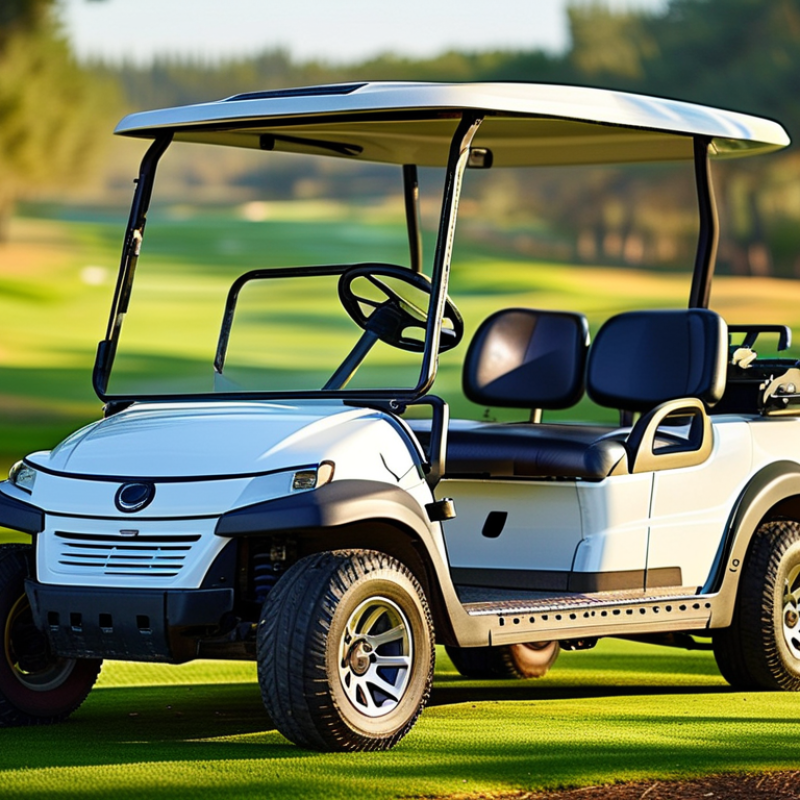
Golf carts are no longer limited to golf courses. Their design now matches very different daily tasks. A two-seat cart suits short trips around a private property. A four-seat model carries passengers, groceries, or light equipment. Extended models offer more seating, but they need wider turning space. Utility carts include a rear bed for tools, soil, or maintenance supplies. Enclosed versions provide better protection during rain and cold weather. Range varies.
Electric carts are quiet and practical for neighborhoods, resorts, campuses, and warehouse compounds. They usually work well for repeated short journeys with access to regular charging. Gas-powered carts can support longer, heavier-duty use where charging is inconvenient. However, they produce noise and require fuel, ventilation, and scheduled engine maintenance. Street-ready configurations may include lights, mirrors, belts, and indicators, depending on local requirements. Off-road versions use stronger suspension and deeper tires for rough paths. They are not automatically suitable for public roads. That distinction matters.
Before buying, measure gates, parking areas, ramps, and storage height. Check the payload, not only the passenger count. A cart carrying four adults may struggle with hills or wet grass. Test the brakes, steering, tires, battery condition, and charger. Ask for maintenance records when buying used. Some buyers focus on appearance and regret ignoring battery replacement costs. I have found that realistic route planning matters more than impressive speed. Choose the type that fits your routine, terrain, and service access. Maybe the cheapest option is not the most economical.
Key Features to Compare Before Choosing a Golf Cart
Choosing among the top golf carts starts with matching features to real use.
The National Golf Foundation reported 28.1 million American on-course golfers in 2023. That demand makes comfort, reliability, and storage important. Consider passenger capacity, payload, turning radius, and ground clearance. A cart carrying four adults needs stronger suspension than one used for short trips. Small details matter.
Battery choice deserves careful comparison.
The U.S. Department of Energy explains that lithium-ion batteries generally provide higher energy density than lead-acid batteries. They are lighter, but often cost more upfront. Lead-acid systems remain familiar and easier to service. Ask for usable range, charging time, replacement cost, and warranty terms. Do not trust range claims alone. Temperature, hills, passenger weight, and tire pressure change performance. My own checklist once favored range too heavily. That was a mistake.
Braking quality, steering response, lighting, seat belts, and weather protection deserve a hands-on test.
Check whether the frame resists corrosion and whether replacement parts are available locally. Grand View Research estimated the global golf cart market at roughly $1.6 billion in 2023, showing strong buyer interest. Fast growth can encourage rushed choices. Take a slow ride over uneven ground. Listen for rattles. Review the manual before paying, especially for charging safety and maintenance intervals.
Power Sources, Performance, and Driving Range
Top 10 Golf Carts: What Should You Know Before Buying?
Power source shapes every part of a golf cart’s driving experience. Lead-acid batteries usually cost less, but they add weight and require regular water checks. Lithium-ion systems often provide quicker charging, steadier performance, and longer service life. Gas-powered carts can offer longer range, but they create engine noise and need more mechanical maintenance. Your choice should match daily use, charging access, and storage conditions.
Performance depends on more than motor power. A cart carrying four adults needs stronger torque on hills and uneven paths. Check the suspension, braking response, ground clearance, and tire condition before buying. A useful range estimate should include passengers, cargo, slopes, temperature, and driving speed. Flat pavement may produce an impressive distance, while soft ground can reduce it sharply. Range claims are estimates, not promises.
Tips: Ask for a real charging demonstration. Inspect the battery age and service records. Drive uphill with a passenger if possible. Listen for unusual motor sounds. My own mistake was judging range from a short, empty test drive. It felt convincing, but it ignored the conditions I actually faced. Leave reserve power for the return trip.
Safety, Comfort, Maintenance, and Storage Considerations
Top 10 Golf Carts: What Should You Know Before Buying?
After inspecting and driving many golf carts, I check safety before appearance. Test the brakes on a gentle slope. The pedal should feel firm, not spongy. Inspect steering joints, tires, seat belts, lights, and the battery compartment for damage or loose wiring. Safety comes first. Confirm that the cart’s speed, lighting, and seating configuration suit your local requirements.
Comfort affects every short trip. Sit in each seat and check legroom, back support, and step-in height. A smooth suspension helps on cracked paths, while a roof protects passengers from strong sunlight. Listen during the test drive. Grinding, rattling, or uneven acceleration may indicate expensive repairs. I once focused too much on quiet operation and missed a worn steering bushing. That mistake changed my inspection routine.
Maintenance depends on the power system and daily use. Electric models need battery checks, terminal cleaning, and correct charging habits. Combustion models require oil, filters, fuel-system care, and regular servicing. Keep maintenance records, even for minor work. Storage also matters. Park on a dry, level surface with ventilation and protection from direct rain. Leave enough space to open battery covers and inspect cables. Measure twice. A narrow shed can turn simple maintenance into an awkward chore. Before purchasing, calculate storage space, charging access, replacement-part availability, and realistic yearly costs. A lower purchase price may hide neglected maintenance.
Top 10 Golf Cart Buying Checks
Safety, comfort, maintenance, and storage should all be evaluated before choosing a golf cart. The chart shows a practical suggested attention allocation for a pre-purchase inspection.
These percentages are checklist priorities rather than market-share statistics. Verify braking, steering, seat belts, lighting, battery condition, charger compatibility, tires, passenger capacity, storage space, and service history on the specific cart you plan to buy.
Budget, Ownership Costs, and Final Buying Criteria
When comparing the top ten golf carts, start with the budget, not the glossy dashboard. A realistic purchase budget includes the cart, delivery, registration fees, and immediate safety checks. Prices vary widely between new, refurbished, and used models. Ask for battery age, charge cycles, and maintenance records. A nearly worn battery can turn a bargain into a driveway expense. I once underestimated transport costs by several hundred dollars. That mistake changed my buying checklist.
Ownership costs continue after the purchase. Battery replacement is often the largest scheduled expense, especially with frequent daily use. Electric carts need charging equipment, tires, brake inspections, steering checks, and occasional suspension work. Gas-powered versions may require fuel, oil changes, belts, and engine servicing. Compare energy use over a typical month, not an ideal week. A simple log of charging time and local service rates gives a clearer estimate. Do not trust a seller’s low-maintenance claim without invoices.
Before paying, inspect the frame for cracks, test braking on a gentle slope, and check that every light works. Sit in each seat. Legroom matters. Confirm the load rating for passengers, tools, or groceries. Review warranty coverage, parts availability, return conditions, and service distance. A lower price may be poor value if repairs require long-distance towing. My final choice would balance purchase price, three-year ownership cost, safe handling, and practical comfort. I still leave room for doubt; projections can miss one damaged controller or neglected component.