
China Top 10 Golf Events Global Buyers Should Attend?

China’s golf market is becoming more visible to international buyers. Its events connect equipment brands, course developers, retailers, coaches, and hospitality professionals. The right venue can reveal more than a product catalogue. It can show how a supplier tests clubs, manages inventory, and responds to demanding customers.

This guide introduces 10 golf events worth considering across China. The selection focuses on practical buying value, including product demonstrations, business meetings, course inspections, and regional market access. Some events may emphasize professional competition, while others provide stronger trade opportunities. That difference matters. A tournament can create useful contacts, but a dedicated exhibition may offer clearer pricing and production discussions.

Details should be checked carefully through official organizers and venue websites. Dates, exhibitor lists, visitor policies, and meeting arrangements can change. Buyers should also confirm product specifications, quality certifications, warranty terms, export documents, and shipping responsibilities before signing agreements. A polished booth is not proof of reliable supply.

The list is useful, but it is not perfect. A buyer seeking private-label golf balls may value a different event than a course operator seeking irrigation systems. Travel budgets, language support, and regional transport also influence the final choice. Still, these golf events can provide valuable first-hand evidence. Walking through a crowded demo area, comparing swing data, or discussing delivery timelines face to face often reveals what online research misses. In-person judgment still matters.
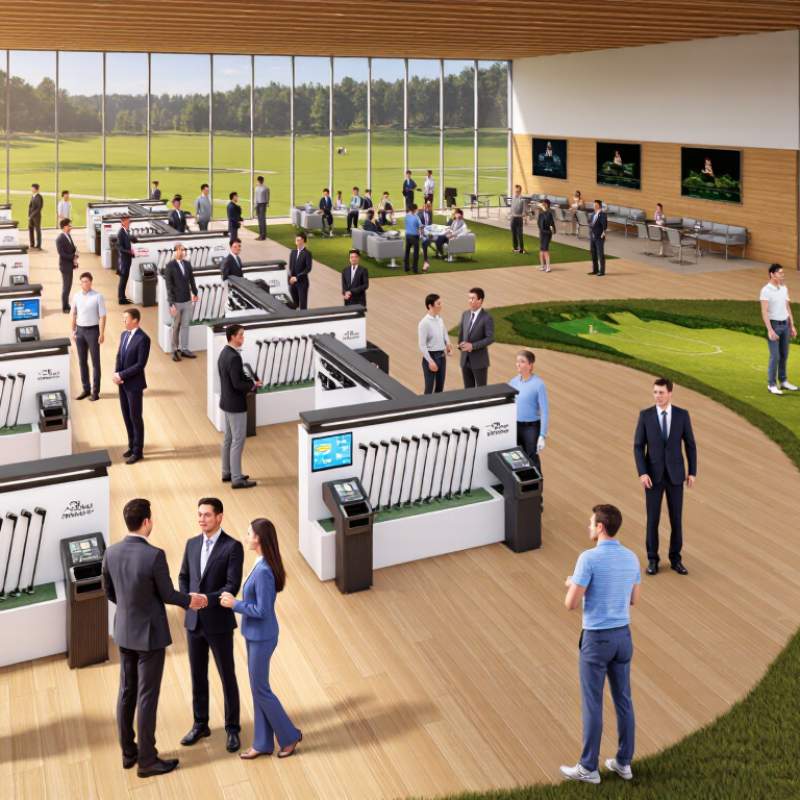
China Top 10 Golf Events Global Buyers Should Attend?

China’s Golf Event Landscape and Selection Criteria

China’s golf event landscape is broader than a tournament calendar. It includes professional competitions, amateur invitationals, junior events, golf exhibitions, club networking days, and indoor simulator showcases. These events appear in coastal business centers, resort destinations, and emerging regional markets. Each setting reveals different buyer behavior. A tournament may show premium demand, while a trade exhibition exposes equipment distributors, course operators, and service providers.

Global buyers should select events through practical criteria, not attendance figures alone. Check the event’s audience, exhibitor profile, regional reach, and decision-maker access. A smaller gathering can produce stronger conversations. Review the course location, transport links, interpretation support, meeting facilities, and visitor registration process. Timing matters too. Weather, public holidays, and tournament schedules can affect traffic. Sometimes, the calendar changes late.

Look for reliable evidence. Request previous attendance data, buyer categories, meeting records, and post-event reports. Speak with organizers and several past participants before booking travel. Observe whether conversations happen beside the fairway, inside meeting rooms, or during structured business sessions.

These details influence commercial value. Compliance checks also matter, especially for product demonstrations, data collection, and cross-border transactions. No ranking is perfect. Personal objectives must guide the final choice. A buyer seeking distribution partners needs a different event from one researching course management or consumer trends. After attending, record lead quality within one week. Memory is less reliable than notes.
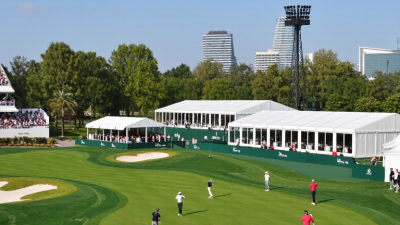
The Top 10 Golf Events Global Buyers Should Attend

The Top 10 Golf Events Global Buyers Should Attend are not limited to tournaments. China’s golf calendar also includes national golf exhibitions, winter golf shows, equipment fairs, professional tournaments, amateur opens, junior championships, resort tourism expos, course management forums, indoor golf technology events, and sustainability conferences. These events reveal products, playing trends, and regional buying needs. The R&A’s Golf Around the World 2023 report recorded about 66.6 million golfers across 206 countries and territories. That scale creates strong demand for reliable equipment, training tools, apparel, and course services.

Global buyers should compare events by visitor quality, not crowd size. A tournament offers player feedback and local market observation. An equipment fair provides supplier meetings and product testing. A tourism expo may uncover resort partnerships and golf travel demand. The International Association of Golf Tour Operators has repeatedly reported strong golf travel activity, but recovery differs by market. China remains important, yet buyer expectations are changing quickly. I have found that small details matter, such as sample delivery times, product documentation, and after-sales response. Some event data also lacks consistent definitions. That deserves caution.

Tips: Book meetings before arrival. Request verified visitor profiles and audited attendance figures. Walk the practice areas, not only the exhibition halls. Ask suppliers about factory capacity, testing standards, packaging, and lead times. Leave room for follow-up. A busy booth does not always mean a dependable partner. Temperature, language, and payment practices can also affect negotiations. Prepare carefully, but expect a few surprises.

Event-by-Event Guide to Dates, Venues, and Formats

China’s golf calendar offers ten useful stops for global buyers. The China Golf Show runs in March in Beijing, with exhibition booths, equipment trials, and supplier meetings. The China Open usually takes place from April to May at a rotating mainland venue. Its 72-hole stroke-play format attracts professional players and serious distributors. The China Women’s Open is commonly staged in November, also at a rotating venue, with a 72-hole format. The Hainan Open normally appears in autumn across Hainan’s resort courses, combining professional stroke play with business networking. The Macao Open is generally held in autumn at a Macao venue, using 72-hole stroke play.

The China Amateur Open is usually scheduled in late autumn. It uses age-group divisions and multi-round stroke play. The China Junior Open often runs during summer at rotating venues, with separate age categories. The China Senior Open generally takes place in autumn, using stroke play for older competitors. The Shanghai Golf Show is commonly held in autumn and focuses on product displays, sourcing meetings, and demonstrations. A national golf championship may move between provinces, with individual and team formats. Dates can change. This guide is practical, but not flawless.

Tips: Verify dates through official event notices before booking flights. Ask for exhibitor lists and venue maps early. The R&A’s Golf Around the World 2024 report recorded about 67.3 million on-course golfers worldwide. That figure supports demand, yet buyer quality matters more than crowd size. At each event, compare lead times, minimum orders, testing standards, and after-sales capacity. Avoid judging suppliers from polished booths alone. A factory visit may reveal the harder truth.

How Buyers Can Find Suppliers and Build Partnerships

China Top 10 Golf Events Global Buyers Should Attend

China’s leading golf events offer more than product displays. They create direct opportunities to meet manufacturers, trading companies, and technical suppliers. Buyers should study the exhibitor list before arriving. Mark companies that produce clubs, bags, apparel, training equipment, or course accessories. Prepare a short question list about materials, production capacity, minimum order quantities, and lead times.

Bring a physical product sample. It makes quality discussions clearer. Compare stitching, grip texture, packaging, and finishing under the exhibition lights. Ask suppliers to explain their inspection process, not only their selling price. Request test reports, material details, and export documentation where relevant. Reliable suppliers usually answer with specific records. Vague promises deserve careful review.

Do not rush.

My first sourcing mistake was trusting a polished booth too quickly. The supplier had attractive samples but weak follow-up after the event. Now, I record contact names, factory locations, sample costs, and agreed deadlines immediately. A short factory visit can reveal storage conditions, worker safety practices, and actual production equipment. Buyers should also verify business registration and contract terms through appropriate professional channels. After each golf event, send the same technical brief to several suppliers. This makes quotations easier to compare and exposes hidden differences in quality, packaging, and delivery risk. Sometimes, the cheapest offer is the least practical.

Planning Registration, Travel, and Business Meetings

China Top 10 Golf Events Global Buyers Should Attend

Planning Registration, Travel, and Business Meetings

China’s leading golf events can connect global buyers with manufacturers, course developers, distributors, and service providers. Choose events based on product fit, visitor quality, location, and meeting schedules. A large exhibition is not always the most productive. Smaller events may offer better conversations.

Register early and confirm your visitor category carefully. Prepare a short company profile, purchasing plan, and product questions before arrival. Bring digital and printed copies of business documents. Meeting requests should include a clear time, location, and discussion goal. Allow at least thirty minutes between appointments. Delays happen.

Travel Planning

Travel planning requires practical attention. Check current entry requirements, visa procedures, passport validity, and event invitation policies through official sources. Book accommodation near the venue when possible. A hotel near public transport can reduce unexpected travel time. Save the venue address in Chinese and English. This helps during taxi or ride-hailing trips. Consider local weather, especially when events include outdoor course visits.

Business Meetings

Business meetings need structure, but flexibility matters. Ask about production capacity, quality controls, delivery schedules, payment terms, and after-sales support. Request written specifications after important discussions. A qualified interpreter can prevent costly misunderstandings. Yet interpretation is not a substitute for careful review.

I once underestimated travel time between meetings; the final discussion became rushed and less useful.

Build extra time into every day. Keep notes immediately after each meeting, including promised documents and follow-up dates.