
Choosing the right supplier can shape every round, maintenance decision, and member experience in 2026. A country club golf course needs more than attractive equipment catalogs. It needs dependable turf products, precise irrigation systems, durable carts, and responsive technical support.
This guide examines leading suppliers through practical criteria. These include product quality, field performance, service coverage, warranty terms, and environmental responsibility. It also considers how suppliers support superintendents during heat, heavy rain, disease pressure, and tournament preparation. A reliable partner should provide clear specifications, trained technicians, replacement parts, and documented customer references. Those details matter when a damaged pump threatens weekend play.
Real-world experience remains valuable. Product claims should be compared with maintenance records, independent testing, and feedback from similar clubs. A supplier serving a coastal resort may not suit an inland course with hard water and winter frost. Local conditions change the decision.
Sustainability also deserves careful attention. Efficient irrigation controls, electric maintenance equipment, recyclable materials, and reduced chemical use can lower long-term operating pressure. However, greener wording does not always prove better performance. Buyers should ask for measurable results.
This comparison is not a permanent ranking. Markets change. Some assumptions may age quickly. Still, the strongest suppliers usually combine technical expertise, transparent communication, dependable logistics, and evidence from working courses. The goal is practical confidence, not a perfect-looking shortlist.
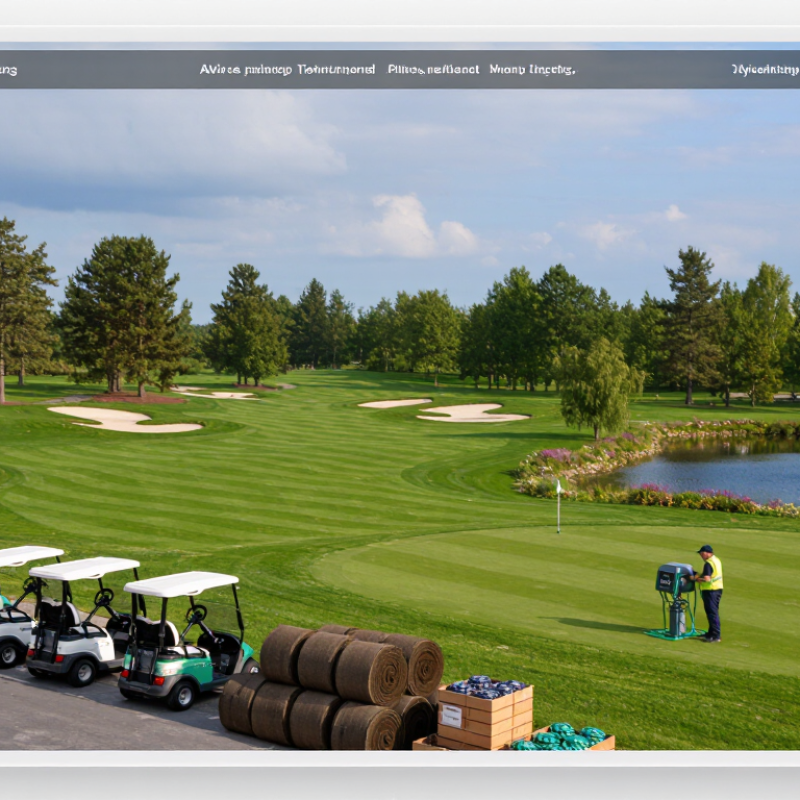
Country Club Golf Course Supplier Categories in 2026
In 2026, country clubs will need more than one type of golf course supplier. Turf and agronomy suppliers remain central, providing grass seed, soil amendments, fertilizers, and disease-management products. Course managers should request test data, application guidance, and local climate experience before purchasing. Healthy turf begins below the surface.
Irrigation suppliers form another critical category. Modern systems may include moisture sensors, weather-based controls, efficient sprinkler heads, and leak-monitoring tools. Reliable suppliers should explain water savings in measurable terms, not vague marketing language. Golf equipment suppliers provide mowers, utility vehicles, aerators, and bunker-maintenance machines. Service response matters as much as the machine itself, especially during tournament preparation. Parts availability deserves careful checking.
Facility and grounds suppliers cover clubhouse furnishings, drainage materials, pathways, lighting, waste systems, and player shelters. Safety and accessibility products should support clear movement across wet or uneven areas. Technology suppliers may offer booking systems, maintenance software, asset tracking, and digital weather stations. Integration can be difficult. I have seen attractive systems create extra work when staff training was overlooked. Sustainability suppliers now include composting services, recycled materials, solar options, and water-reuse equipment. These solutions can reduce operating pressure, but their installation costs need honest review. A supplier’s references, warranty terms, technician qualifications, and response times reveal more than a polished brochure. Some categories overlap, and that can confuse purchasing teams. Clear specifications prevent expensive mistakes.

Selecting a golf course supplier requires more than comparing catalog prices. I have found that reliable evaluation begins with product fit, field experience, and documented performance. Ask whether the supplier understands local soil, rainfall, drainage, and playing schedules. A mower or irrigation component should suit actual course conditions, not only look impressive in a brochure. Request technical specifications, maintenance intervals, replacement-part availability, and clear warranty terms. Vague answers deserve caution.
Site references are valuable. Speak with course managers who have used the equipment through different seasons. Inspect turf quality, storage areas, noise levels, and repair records when possible. Supplier expertise should also include installation guidance and staff training. A responsive technical team can prevent small faults from becoming expensive closures. Check delivery capacity carefully. Seasonal delays can damage maintenance plans.
Price still matters, but the lowest quotation may hide labor, energy, or servicing costs. Compare total ownership costs over several years. Review safety procedures and environmental compliance documents. These records show whether the supplier operates responsibly and consistently. No scorecard is perfect. I once overvalued a polished demonstration and underestimated repair access. That mistake changed my process. I now test usability with the people who will operate the equipment daily. Their practical feedback often exposes weaknesses that formal presentations miss.
In 2026, country club golf courses need suppliers that understand more than product catalogs. The strongest supplier options combine turf equipment, irrigation systems, drainage materials, and maintenance support. A reliable partner should explain operating costs, replacement schedules, and local service coverage clearly.
Experienced course managers often inspect equipment before signing a contract. They check cutting quality on practice greens, fuel or battery performance, and noise levels near guest areas. Irrigation suppliers should provide accurate water-flow data and responsive repair support. Small delays can damage fairway quality during hot weather. Written warranties matter, but practical training matters more.
Furniture and clubhouse suppliers also influence the member experience. Durable outdoor seating should resist moisture, sunlight, and frequent cleaning. Interior materials need a professional appearance without creating difficult maintenance routines. Ask suppliers for project references, installation timelines, and spare-part availability. A site visit can reveal problems that online specifications hide. It is not always easy.
Some suppliers promise lower prices but provide limited technical support after delivery. That weakness can become expensive during tournaments or peak membership periods. A stronger evaluation compares total ownership costs, staff training, delivery reliability, and environmental performance. Energy-efficient pumps may reduce long-term expenses, although their initial price can challenge smaller clubs. Country clubs should also review supplier insurance, safety procedures, and service records before approval. Personal judgment still matters. Specifications rarely show everything.
| Supplier Option | Best For | Typical Product Scope | Common Project Scale | Typical Lead Time | Warranty Range | Important Evaluation Criteria |
|---|---|---|---|---|---|---|
| Golf Course Construction Supplier | New courses, major renovations, and master-planned clubs | Drainage systems, irrigation infrastructure, root-zone materials, bunker construction materials, turf establishment, and course accessories | 18-hole or multi-area projects | 8–24 weeks | 1–5 years | Golf-course references, material testing, installation support, drainage performance, and compliance with project specifications |
| Irrigation System Supplier | Water-efficient clubs requiring precise turf-zone management | Rotors, valves, central controls, weather sensors, pumps, filtration, fertigation components, and replacement parts | 9-hole to 36-hole systems | 4–16 weeks | 2–5 years | Flow-rate accuracy, pressure compatibility, controller integration, spare-parts availability, remote monitoring, and water-use reporting |
| Turfgrass Seed and Sod Supplier | Greens, tees, fairways, roughs, practice areas, and high-wear zones | Cool-season and warm-season seed, washed sod, sprigs, plugs, overseeding blends, and establishment guidance | From patch repair to full-course coverage | 1–8 weeks, subject to season | Product-specific | Cultivar suitability, germination or establishment rate, disease resistance, delivery temperature, harvest freshness, and local climate performance |
| Golf Course Equipment Supplier | Clubs replacing or expanding maintenance fleets | Mowers, utility vehicles, tractors, aerators, topdressers, sprayers, rollers, brush units, and workshop equipment | Small fleets to full maintenance departments | 6–30 weeks | 1–4 years | Cutting quality, operating cost, fuel or battery performance, service response, technician training, parts stock, and total cost of ownership |
| Golf Cart and Utility Vehicle Supplier | Member transportation, tournament operations, and maintenance logistics | Passenger carts, utility vehicles, lithium or lead-acid power systems, charging equipment, fleet software, and accessories | 10–200 vehicles | 4–20 weeks | 1–5 years | Battery chemistry, charging time, hill performance, fleet tracking, safety equipment, replacement batteries, and local service coverage |
| Golf Course Chemical and Fertilizer Supplier | Integrated turf nutrition, pest management, and disease prevention | Granular and liquid fertilizers, soil amendments, wetting agents, biological products, and approved turf-protection materials | Routine seasonal programs | 1–6 weeks | Product-specific | Local registration, label compliance, nutrient analysis, application safety, resistance-management guidance, storage requirements, and technical support |
| Soil Testing and Agronomy Service Supplier | Clubs seeking data-led turf and water-management decisions | Soil, water, tissue, salinity, compaction, infiltration, and nutrient testing with agronomic recommendations | Single area to full-course programs | 3–15 business days | Service-based | Laboratory accreditation, sampling method, test repeatability, interpretation quality, benchmark comparisons, and actionable reporting |
| Bunker, Sand, and Aggregate Supplier | Bunker renovation, drainage upgrades, and course construction | Bunker sand, gravel, drainage stone, root-zone sand, topdressing sand, and construction aggregates | Local repairs to full-course renovation | 1–12 weeks | Material-specific | Particle-size distribution, drainage behavior, color stability, contamination control, delivery capacity, and consistency between shipments |
| Golf Course Furniture and Accessories Supplier | Clubhouse presentation, player comfort, and on-course amenities | Benches, ball washers, tee markers, waste stations, signage frames, divot boxes, shelter fixtures, and practice-area accessories | Individual items to complete amenity packages | 3–14 weeks | 1–5 years | Weather resistance, vandal resistance, accessibility, installation requirements, replacement parts, finish durability, and visual consistency |
| Sustainable and Water-Management Supplier | Clubs prioritizing water conservation and environmental performance | Weather-based irrigation controls, moisture sensors, leak detection, water meters, rainwater systems, pump optimization, and renewable-energy accessories | Single-system upgrades to property-wide programs | 6–24 weeks | 2–10 years | Measured water savings, sensor accuracy, system interoperability, data ownership, maintenance requirements, and payback period |
Note: Lead times and warranty periods are typical industry ranges and can vary by region, specification, season, order quantity, installation requirements, and contract terms.
Country clubs now compare more than mowers, turf products, and irrigation parts. The R&A’s Golf Around the World 2023 report counted about 43,000 golf courses across 206 countries. That scale makes supplier selection a practical operations issue. Strong suppliers provide reliable products, field training, replacement planning, and measurable service response.
Water performance deserves close attention. USGA Golf Course Environmental Profile research reported a 29% reduction in golf course water use between 2005 and 2020. Suppliers offering soil sensors, weather-based irrigation controls, and drought-tolerant turf support can help clubs reduce waste. Yet technology alone cannot repair poor calibration. Staff still need training, inspection routines, and local agronomic judgment.
Look for evidence, not polished demonstrations. Compare equipment uptime, maintenance records, warranty response, and lifecycle cost. The National Golf Foundation reported roughly 45 million on-course golfers in the United States during 2023, increasing pressure on course quality and pace. Digital booking tools, GPS maintenance tracking, and automated work orders may improve coordination, but they can also create data clutter. Some clubs buy too much too soon. A smaller pilot, measured over one season, may reveal more than a large installation. No ranking is perfect. Local soil, labor skills, climate, and member expectations can change the result.
2026 Best Country Club Golf Course Suppliers?
Supplier Selection, Contracting, and Long-Term Support
Selecting a golf course supplier in 2026 requires more than comparing catalogs and quoted prices. Course managers should examine irrigation parts, turf products, maintenance equipment, and replacement schedules together. Ask for documented product specifications and field references from similar climates. A supplier with practical course experience can identify problems before installation. Request a site visit when terrain, drainage, or soil conditions are complicated. Real evidence matters.
Review the contract line by line. Define delivery dates, inspection standards, installation duties, training, warranties, and emergency response times. Keep spare-part responsibilities clear. Vague language creates expensive delays during peak playing months. I would also check technical support during weekends, because equipment failures rarely follow office hours. However, even careful selection can miss something. A promising supplier may struggle after a regional warehouse closes. That risk deserves a written contingency plan.
Long-term support should include seasonal inspections, staff training, maintenance records, and measurable service targets. Ask how complaints are logged and escalated. Require updated contact details and realistic repair timelines. Avoid choosing solely on the lowest bid; cheaper components may increase water use, labor hours, or downtime. Still, higher prices do not guarantee better performance. Review independent references, test critical equipment, and track actual costs after installation. Reassess the agreement annually, especially when weather patterns or course usage changes. Personnel also change. Your contract should survive that change.
Recommended procurement weighting for supplier selection, contracting, and long-term support
The framework allocates 40% of the decision to supplier selection, 25% to contracting, and 35% to long-term support. Product quality, lifecycle cost, service response, warranty coverage, delivery reliability, and contract flexibility are prioritized because they directly affect course operations and total ownership risk.
© 2022-2025 Pelican Lakes Resort & Golf, All rights reserved | Privacy Policy
BROUGHT TO YOU BY THE WATER VALLEY COMPANY