2026 Top Metal Enamel Pin Badge Manufacturers
Metal Enamel Pin Badge manufacturing is entering a more demanding phase in 2026. Buyers now expect sharper details, safer materials, reliable plating, and transparent production timelines. PPAI’s 2024 Promotional Products Industry Sales Volume report valued North American promotional product sales at approximately $26.6 billion in 2023. This figure shows the scale of branded merchandise demand, although it does not measure enamel pins separately. Market researchers, including Grand View Research, also identify personalization and small-batch customization as important growth drivers across promotional products.
Quality is decided on the production floor. A strong manufacturer checks artwork before mold making, controls enamel filling, and inspects every polished edge. The difference is visible in small details: clean black outlines, even color depth, smooth butterfly clutches, and plating without cloudy patches. These details affect both appearance and customer trust. ISO 9001 certification can support process consistency, but certification alone does not guarantee excellent badges. Samples still matter.
This guide reviews leading Metal Enamel Pin Badge manufacturers through practical criteria, including design support, minimum order quantities, tooling charges, material choices, quality control, packaging, and delivery performance. Supplier websites can sound impressive. Real evidence is better. Buyers should request physical samples, production photos, inspection records, and clear revision policies. Some rankings may remain subjective because manufacturers rarely publish comparable defect rates or verified capacity data. That limitation deserves attention. A low price may look attractive, yet weak plating or delayed approval can increase the final cost. The best 2026 suppliers combine technical skill, communication, and dependable repeat production.
Types of Metal Enamel Pin Badges and Their Common Uses
2026 Top Metal Enamel Pin Badge Manufacturers
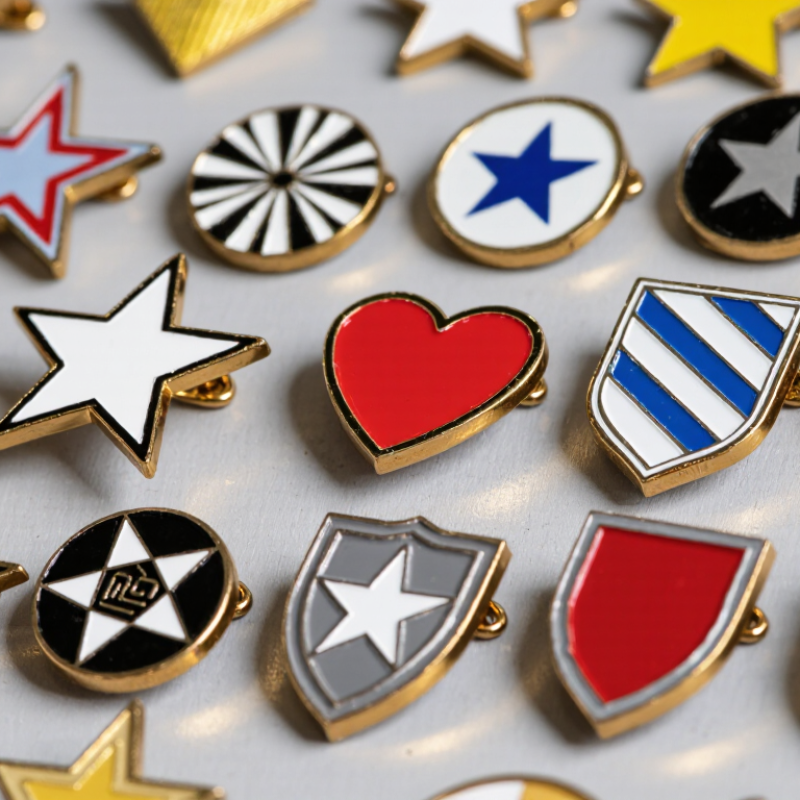
Metal enamel pin badges come in several practical forms. Soft enamel badges have recessed color and a noticeable textured surface. They suit casual clothing, event merchandise, and community group identities. Hard enamel badges are polished flat, creating a smoother and more durable finish. They work well for staff recognition, uniform accessories, and premium retail collections. Die-struck designs use raised metal lines with selective enamel filling. Their clear borders help small symbols remain readable.
Details matter in real production. A pin’s size, metal plating, clutch type, and color count affect both cost and daily comfort. Round badges feel versatile, while custom silhouettes can express a mascot, tool, or local landmark more clearly. Soft enamel can emphasize depth, but dust may collect in recessed areas. Hard enamel looks refined, yet tiny details can become less visible after polishing. That trade-off deserves honest review.
Common uses include conference identification, volunteer appreciation, school activities, club membership, and product packaging. For frequent wear, manufacturers should check edge smoothness, pin alignment, backing security, and color consistency. A sample approval is essential. A digital mockup is not enough. The cheapest quote can hide weaker plating or inconsistent filling. I would compare physical samples, production tolerances, and packaging details before ordering. Even experienced buyers sometimes overlook the badge’s weight. A beautiful design can become uncomfortable on thin fabric.
2026 Top Metal Enamel Pin Badge Manufacturers: Types, Uses and Typical Sizes
The chart shows commonly produced nominal pin diameters for different applications. Hard enamel pins are widely used for polished corporate, uniform and commemorative designs; soft enamel pins are suitable for textured promotional, club and event artwork; die-struck pins emphasize raised metal relief without enamel; and printed metal pins support fine illustrations, gradients and photographic details.
Sizes are practical industry references rather than fixed specifications. Final dimensions depend on the artwork, attachment method and production requirements.
2026 List of Leading Metal Enamel Pin Badge Manufacturers
The 2026 List of Leading Metal Enamel Pin Badge Manufacturers focuses on proven production capability, not popularity alone. Reliable manufacturers should provide clear material specifications, sample approval, and consistent quality records. Experienced teams understand how metal thickness, enamel depth, and polishing affect the final badge.
A dependable manufacturer usually offers iron, brass, or zinc alloy options. Each metal creates a different weight, edge detail, and surface appearance. Request a physical sample before placing a large order. Check the clasp, plating, color filling, and back surface carefully. Small flaws matter. A loose fastener can damage customer confidence.
Strong manufacturers also explain their inspection process and production limits. They should confirm artwork tolerance, color references, packaging details, and delivery schedules in writing. Ethical sourcing and safe workplace standards deserve attention too. Price alone is a weak measure. I would also review recent customer feedback, although online comments can be incomplete or overly generous. My ranking approach is not perfect. A factory with excellent finishing may still communicate slowly, while another may offer faster service with less consistent detail. This list should therefore support direct comparison, sample testing, and practical judgment.
Manufacturing Process and Quality Control Standards
A reliable metal enamel pin badge begins with controlled artwork, not decoration alone. Engineers check line thickness, recessed areas, and color separation before cutting the mold. Copper or iron is stamped, deburred, and cleaned. Enamel is then filled by hand or automated dosing, followed by oven curing. Uneven filling is common.
Quality control needs measurable checkpoints. The ISO Survey 2023 recorded 1,265,216 ISO 9001 certificates across 189 countries and economies, showing how widely documented quality systems are used. A capable manufacturer should apply similar discipline to incoming metal inspection, mold approval, color matching, curing temperature, plating thickness, and final assembly. Each batch needs traceable records, including operator, date, material lot, and inspection result.
Small details matter. Inspectors should use calibrated calipers, color references, magnification, and adhesion testing. Surface checks should identify scratches, pits, burrs, weak plating, and loose clasps. Sampling plans can follow ISO 2859-1, while product safety reviews may reference applicable ASTM or EN requirements. These standards support consistency, but they do not replace practical judgment.
A pin may pass visual inspection yet fail after repeated rubbing. That weakness is easy to miss. Pre-production samples should undergo clasp pull tests, abrasion checks, and simulated packaging movement. The process is not flawless. Human color perception, crowded artwork, and rushed rework still create risk. Honest reporting of defects is more valuable than hiding them.
How to Select the Right Enamel Pin Badge Manufacturer
2026 Top Metal Enamel Pin Badge Manufacturers
Choosing the right enamel pin badge manufacturer requires more than comparing prices. Start with recent samples, not polished website images. Check the metal edges, pin backs, color filling, and surface finish under bright light. Small flaws become obvious on a jacket or display board.
Ask how the manufacturer manages artwork approval and tooling changes. A reliable team should provide clear proofs, material options, and realistic production dates. Confirm whether they use soft or hard enamel, and request color references before mass production. Quality control should cover plating, alignment, scratches, and clasp strength. Ask for inspection photos.
Communication matters.
Evaluate their experience with similar order sizes and detailed designs. A supplier with strong technical knowledge can warn you when thin lines may disappear after stamping. They should explain minimum line widths, mold charges, packaging methods, and replacement policies in plain language. Check business registration, factory information, and documented quality procedures where available.
Do not choose the cheapest offer too quickly. A low quote may exclude sampling, shipping protection, or correction costs. I would still request one physical sample before approving a large order. However, even samples can be imperfect; color may shift slightly between batches. Record approved specifications carefully, and leave enough time for one correction round. That small delay can prevent a larger production problem.